
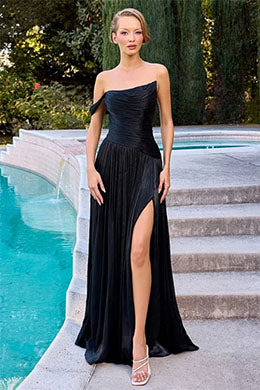
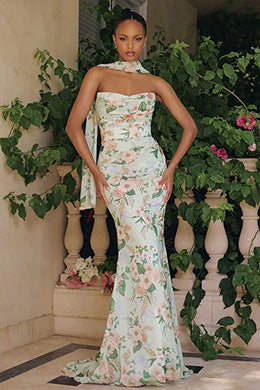
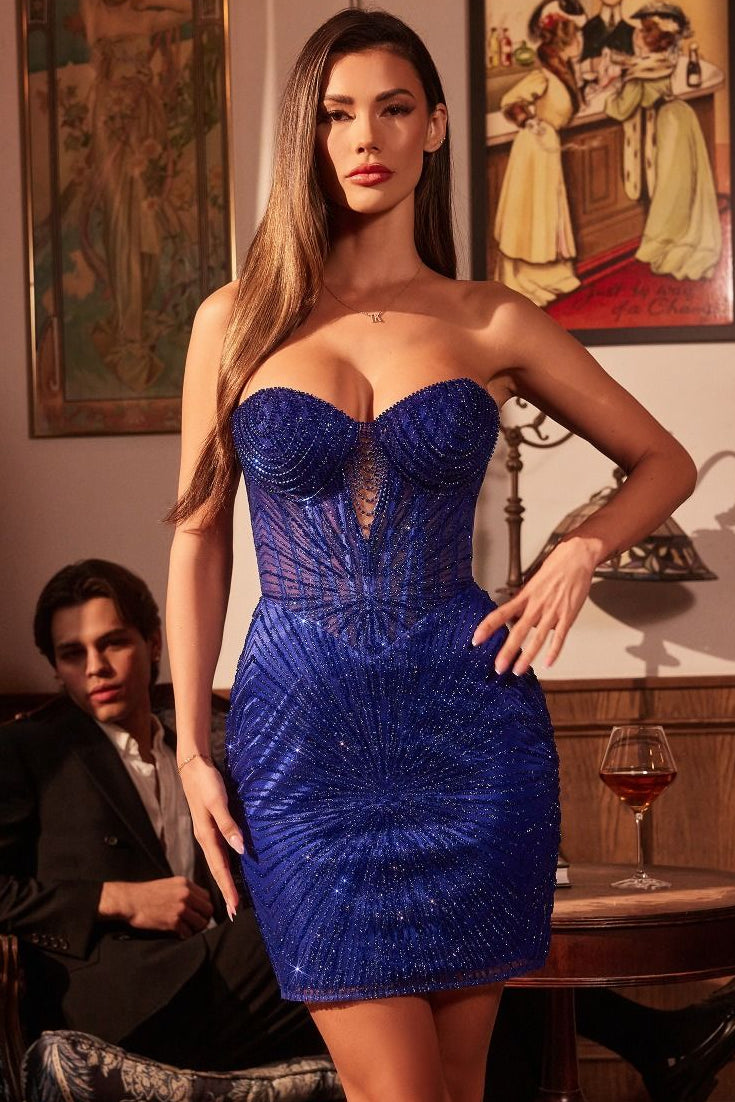

The most popular satin dress styles are the slip dress, the A-line gown, the corset or bustier gown, the one-shoulder gown and the satin midi. Each one handles the fabric's shine and drape differently, so the right pick depends on the occasion, how much structure you want and how you like a dress to move. This guide walks through every style, answers the fit questions shoppers ask most, and shows how to wear satin for weddings, parties and formal events.

What Are the Main Satin Dress Styles?
There are five satin dress styles you will see again and again, from relaxed slip dresses to fully structured ball-skirt gowns. Here is how they differ.
Satin slip dress
A slip dress has thin straps, a bias or straight cut and very little structure. It is the most minimal way to wear satin and works for rehearsal dinners, cocktail parties and evening weddings. The Aspen Midi Dress in black satin and the Aspen Midi Dress in champagne satin are classic examples. Browse more in our satin slip dresses.
Cowl neck satin dress
A cowl neckline adds soft folds at the chest, which gives a slip silhouette a little more coverage and movement. The Lorena Midi Dress is a satin cowl neck slip that comes in shades like sage, emerald, dusty blue, burgundy and black, which makes it a favorite for bridesmaids who want to mix colors.
A-line satin gown
An A-line gown is fitted through the bodice and opens into a skirt that stands slightly away from the hips and legs. It is the easiest satin style to wear for long events because nothing pulls or clings below the waist. See the Libby Gown and the Marlena Gown, an A-line soft satin dress with a keyhole detail.
Corset and bustier satin gowns
Corset styles add boning and seaming to the bodice, so the dress holds its own shape. They read as more formal and work for black tie, prom and evening weddings. The Cosima Gown pairs a corset bodice with an A-line skirt, and the Maeve Corset Midi Dress in emerald satin brings the same idea to a shorter length.
One-shoulder satin gown
A one-shoulder neckline is a simple way to make plain satin feel like a statement. The Adelaide Gown is a good example for fall and winter events in emerald, black or burgundy.
What Is a Versatile A-Line Satin Dress?
If you want one satin dress you can wear to several events, choose an A-line in a mid-tone color with adjustable or wide straps. An A-line skirt moves well, sits comfortably through a long reception and works at both semi-formal and formal events.
Look for a soft satin rather than a very high-shine finish if you plan to wear it more than once. Softer satin looks dressy at night but still feels right at a daytime wedding. Colors like sage, navy, dusty blue and mauve are easy to restyle with different jewelry and shoes. Many A-line styles also work for bridesmaids, so check our satin bridesmaid dresses if you are shopping for a wedding party.
Which Satin Dresses Are Not See-Through and Do Not Cling?
The best non see-through satin dresses are lined, made from a medium or heavy satin, and cut with some structure or an A-line skirt. Thin, unlined satin is the main reason a dress looks sheer or shows every line underneath.
- Check the lining. A full lining is the single biggest factor in keeping satin opaque, especially in light colors like champagne or ivory.
- Choose heavier satin. Luxe satin and stretch satin are thicker than charmeuse and skim the body instead of sticking to it.
- Pick a skirt with volume. A-line and fit and flare skirts fall away from the body, so there is less cling as you walk or sit.
- Plan your undergarments. Seamless, skin-tone pieces disappear under satin. Lace or textured pieces will show through a slip dress.
- Go a shade deeper. Darker colors like navy, emerald and black are naturally more forgiving than pale pastels.
The Brooklyn Gown, a satin fit and flare evening dress, is a good choice if you want a structured shape with movement at the hem.
Are Satin Dresses Hard to Wear?
Satin is not hard to wear once you choose the right cut. Because satin reflects light, it shows the shape of the dress clearly, so structure and fit matter more than they do with matte fabrics like crepe or chiffon.
If you want ease and comfort, start with an A-line or a cowl neck midi. If you love a sleek look, a corset bodice gives support while the skirt does the moving. Bias-cut slip dresses are the least forgiving style, so try them on with the shoes and undergarments you plan to wear. Our stylists can help you compare silhouettes in person or over chat.

Do Adjustable Straps and Lace-Up Backs Matter in a Satin Gown?
Yes. Adjustable straps and lace-up backs make a real difference in satin because the fabric has little natural give, so small fit changes affect how smoothly the dress sits.
Adjustable straps let you raise the bodice so the neckline lies flat and nothing gapes. A lace-up or corset back lets you fine-tune the waist and bust on the day of the event, which is helpful if you are ordering online or if a bridesmaid dress is bought months ahead. The Justine Gown is a satin A-line dress with a lace-up back, which makes it one of the easier satin styles to fit. Drawstring or tie details work the same way on smaller dresses.
Which Satin Midi Dresses Work for Weddings and Parties?
For weddings and parties, choose a satin midi with a clean neckline, a skirt that moves and a color that suits the season. Midi length is dressy enough for an evening reception yet still easy to dance in.
- Daytime or garden wedding: champagne, sage or dusty blue in a slip or cowl neck cut.
- Evening wedding or holiday party: emerald, burgundy, navy or black, with a corset bodice for more polish.
- Cocktail party: a shorter satin dress with a bold color or a structured bodice. See our satin cocktail dresses.
Shop more options in wedding guest midi dresses.
How Do You Style a Satin Dress?
Keep accessories simple and let the fabric's sheen do the work. Satin already reads as dressy, so one strong accent is usually enough.
Jewelry and bags
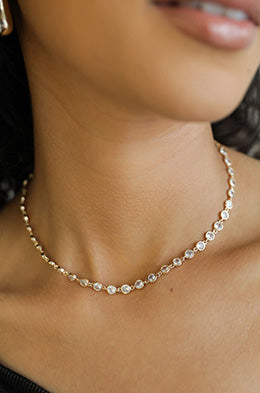
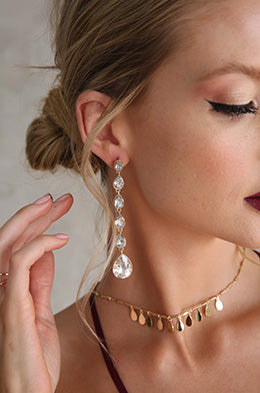
Delicate gold or pearl jewelry pairs well with soft satin colors, while crystal earrings suit jewel tones and black. A small structured clutch looks more polished than a slouchy bag.
Shoes
Strappy sandals, metallic heels and pointed pumps all work with satin. For a long reception, a block heel keeps you comfortable without looking casual.
Hair and makeup
Sleek buns and low ponytails match the clean lines of a slip dress. Soft waves suit A-line gowns. A glowing complexion picks up the shine of the fabric without competing with it.
Cooler weather
Add a tailored blazer, faux fur wrap or long coat for fall and winter events, and switch to deeper colors.

Is Satin Formal?
Satin can be formal, semi-formal or cocktail depending on the length and cut. A floor-length satin gown with a corset or one-shoulder neckline suits black tie events, while a satin midi or slip dress is right for cocktail attire and most weddings.
For a black tie dress code, choose floor length and deeper colors. For cocktail attire, a midi or knee-length satin dress is ideal. If you are still deciding between fabrics, our guide to satin vs chiffon bridesmaid dresses explains how the two compare, and our fall formal dress fabrics guide covers what to wear when the weather turns.

FAQ
What are the different types of satin dresses?
The main types are slip dresses, cowl neck dresses, A-line gowns, corset or bustier gowns, one-shoulder gowns and satin midi dresses. They range from relaxed and minimal to fully structured and formal.
Do satin dresses look good on everyone?
Satin works for everyone when the cut and weight are right. A-line skirts, corset bodices and heavier satins give the most structure and comfort, while thin bias-cut slips are the least forgiving.
How do I keep a satin dress from being see-through?
Choose a lined dress in a medium or heavy satin, wear seamless skin-tone undergarments and consider a deeper color. Lining matters most in light shades.
Can you wear a satin dress during the day?
Yes. A satin midi in a soft color like champagne or sage, paired with sandals and light jewelry, is perfect for a daytime wedding or brunch.
Are satin dresses good for weddings?
Satin is one of the most popular fabrics for wedding guests and bridesmaids because it photographs well and suits every season. Just avoid white and ivory unless the couple asks for it.
Find Your Satin Dress at Lady Black Tie
Whether you want a slip dress for a cocktail party or an A-line gown for a black tie wedding, the right satin dress style comes down to cut, weight and color. Shop all satin dresses online, or visit our boutique in Hudson, MA to try on satin styles with a stylist who can help you find the perfect fit.
1 comment
Eva
Satin dresses never go out of style choosing the right drape and accessories makes all the difference for an effortlessly elegant look. For couples planning their future together, https://helloprenup.com/ offers a thoughtful way to start important conversations early.
Satin dresses never go out of style choosing the right drape and accessories makes all the difference for an effortlessly elegant look. For couples planning their future together, https://helloprenup.com/ offers a thoughtful way to start important conversations early.