The details of a dress can completely transform the way it looks, feels, and fits. Beyond the silhouette, features like corset bodices, leg slits, sleeves, ruching, and neckline details help define the overall style of a gown and allow you to choose a design that matches your personal taste.
Corset Bodices: Structure & Support
A corset-style bodice features structured seams, boning, or lace-up details designed to create a beautifully sculpted shape. Corset gowns often provide additional support through the bodice while helping define the waist and create an elegant, fitted silhouette.
Many corset-back dresses also offer a more customizable fit, allowing you to adjust the bodice tighter or looser for comfort and flexibility.
Great for:
- Creating a defined waistline
- Adding structure to flowing silhouettes
- Providing support through the bodice
- Achieving a romantic, couture-inspired look

Leg Slits: Modern & Effortless Movement
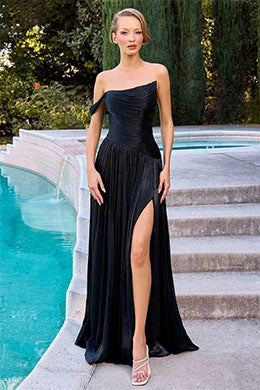
A leg slit adds a touch of drama while also providing ease of movement. Whether subtle or high-cut, a slit can create a longer-looking silhouette and allow the skirt to flow beautifully as you walk.
Leg slits are popular on:
- Evening gowns
- Satin dresses
- Wedding guest dresses
- Formal maxi dresses
A higher slit creates a more bold, glamorous look, while a lower slit offers a more understated and elegant feel.

Sleeves: Elegant Coverage & Style
Sleeves can completely change the personality of a dress, from romantic and feminine to modern and dramatic. They can provide additional coverage while adding beautiful design elements.
Popular sleeve styles include:
- Long sleeves for a sophisticated, timeless look
- Flutter sleeves for soft movement
- Off-the-shoulder sleeves for a romantic feel
- Puff sleeves for a statement look
- Illusion sleeves for delicate elegance
Sleeves are especially popular for fall weddings, winter events, and formal occasions where you want a more refined silhouette.

Ruching: Flattering Texture & Shape
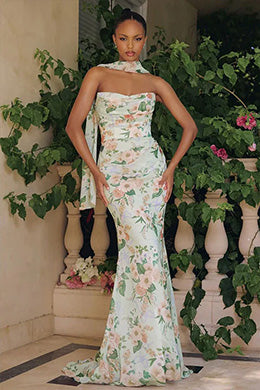
Ruching is created by gathering fabric to add texture and dimension. This detail can create beautiful draping while adding visual interest to fitted and flowing dresses.
Ruching is often used to:
- Enhance the waistline
- Add softness to a silhouette
- Create a flattering draped effect
- Add dimension to simple designs

Neckline Details: Defining Your Look
The neckline is one of the first details noticed on a dress and can change the overall style of the silhouette.
Popular neckline styles include:
- Sweetheart necklines for a romantic, feminine look
- Plunging V-necks for a bold and elongating effect
- Halter necklines for modern elegance
- Off-the-shoulder styles for timeless sophistication
- High necklines for a refined appearance

Back Details: A Beautiful Finishing Touch
The back of a dress can be just as memorable as the front. Open backs, lace-up backs, illusion details, and low-back designs add unexpected elegance and create a statement from every angle.

How Back Styles Affect Fit & Sizing
The back design of a dress can have a significant impact on how it fits. Features like lace-up backs, zipper closures, and open-back designs each offer different levels of adjustability, support, and flexibility. Understanding these differences can help you choose the best size for your body and feel more confident when ordering online.
Lace-Up Back Dresses
Lace-up backs are one of the most forgiving and adjustable dress features. The lacing allows the bodice to be tightened or loosened for a more customized fit, making it easier to accommodate slight variations in measurements.
Best for:
- Between-size shoppers
- Defining the waist
- Adjustable bust support
- Achieving a more customized fit
Sizing Tip:
While a lace-up back offers flexibility through the bust and waist, you should still choose your size based on your largest measurement using the designer's size chart. A lace-up back can typically accommodate minor size adjustments, but it is not intended to compensate for selecting a significantly different size.

Zipper Back Dresses
A zipper back provides the most structured fit and follows the designer's measurements with little flexibility. Because there is minimal adjustability, choosing the correct size is especially important.
Best for:
- Clean, tailored silhouettes
- Structured gowns
- Sleek, modern styles
Sizing Tip:
For zipper-back dresses, carefully compare your bust, waist, and hip measurements to the designer's size chart. If you fall between sizes, it's generally recommended to choose the size that fits your largest measurement, as it's often easier for a local seamstress to tailor a dress smaller than to let it out.