

Invitations often specify wedding dress codes. The season helps determine how that dress should look and feel. Fabric weight and color change between summer gardens and winter receptions.
Understanding wedding dress codes makes the process easier. Check the invitation. Consider the venue, time, and weather. Choose an outfit that respects formality and keeps you comfortable.
Understanding Wedding Dress Codes
Before choosing a seasonal look, identify the dress code listed on the invitation. The wording usually gives you the clearest starting point for what to wear to a wedding.

Casual weddings allow more relaxed silhouettes and lighter styling. A polished sundress or midi dress can work well.
Cocktail attire calls for a more dressed-up look. A knee-length or midi dress is a reliable choice, especially for evening celebrations.
Semi-formal sits between casual and formal. An elevated midi or maxi dress can suit this dress code without feeling overly elaborate.
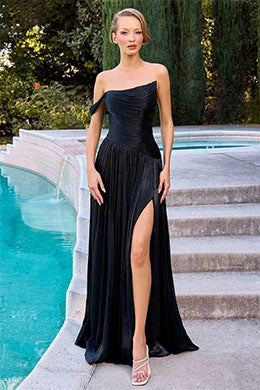
Formal occasions call for refined silhouettes and dressier fabrics. Floor-length gowns and sophisticated midi dresses are common choices for this level of formal attire.
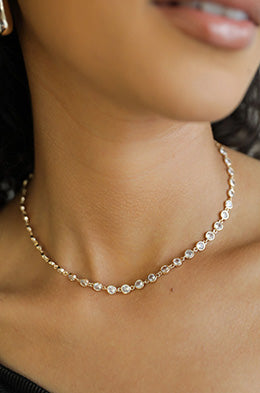
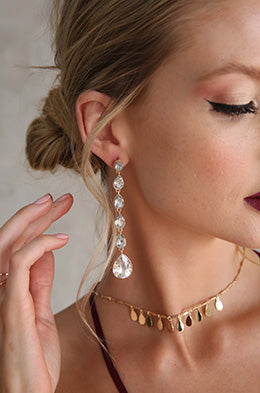
Black tie is the most traditional of these options. A floor-length gown with polished accessories is usually the safest choice.
Spring Wedding Guest Dress Codes
Spring weddings naturally lend themselves to lighter fabrics and fresh color palettes. Chiffon, satin, and other lightweight materials can create movement without feeling too heavy.
What to Wear to a Spring Wedding
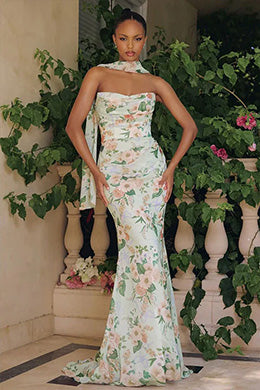
Pastels, soft florals, and fresh neutrals can complement the season. Midi and maxi dresses work especially well because they offer versatility when temperatures are unpredictable.
For daytime celebrations, a floral midi with dressy flats or heels can feel polished without being too formal. If the reception continues into a cooler evening, bring a lightweight wrap or tailored layer.
Spring Formal Attire
A formal spring wedding calls for a more refined silhouette. Choose an elegant midi or floor-length dress in satin, chiffon, or another lightweight fabric.
Soft blue, blush, lavender, and sophisticated neutrals can work beautifully for spring formal events. Let the venue guide the final choice, especially if the celebration takes place outdoors.
Summer Wedding Guest Dress Codes
Warm weather changes the priority from layering to breathability. Lightweight fabrics can help keep a polished outfit comfortable during outdoor ceremonies and receptions.
What to Wear to a Summer Wedding
Chiffon, linen blends, and lightweight satin are useful choices for warm-weather celebrations. Bright colors and prints can work particularly well for daytime weddings.
Shorter dresses suit casual celebrations. Maxi dresses provide coverage for formal evening events. Outdoor weddings require practical footwear, especially on grass or uneven surfaces.
Summer Formal Attire
"Formal" does not have to mean "heavy." A lightweight floor-length dress can provide the polish required for a formal wedding without feeling uncomfortable in warm temperatures.
Pay attention to the venue before choosing your fabric and length. A beach ceremony may call for a different interpretation of formalwear than an elegant ballroom reception.

Fall Wedding Guest Dress Codes
Fall brings richer colors and layering opportunities. Burgundy, emerald, navy, and plum add depth. Velvet, satin, and crepe create a more substantial look.
What to Wear to a Fall Wedding
Long sleeves can provide extra coverage when temperatures drop. A midi or maxi dress paired with closed-toe shoes can also make sense for an outdoor ceremony.
For an evening celebration, deeper shades can complement the atmosphere without requiring excessive embellishment. A dressy boot can work for some less formal venues, while heels remain a natural choice for more traditional settings.
Fall Formal Attire
Formal fall weddings are ideal for floor-length gowns and sophisticated midi dresses. Jewel tones and deeper neutrals can give the outfit a seasonal feel.
If the ceremony or reception includes outdoor portions, add a wrap, shawl, or tailored coat. The extra layer should complement the dress rather than compete with it.
Winter Wedding Guest Dress Codes
Winter celebrations often call for richer fabrics, longer sleeves, and thoughtful layering. Velvet, satin, sequins, and embellishments can create a festive look while providing a stronger seasonal presence.
What to Wear to a Winter Wedding
Long-sleeve dresses can be a practical choice for colder weather. Jewel tones, deeper neutrals, and metallic details can also suit winter celebrations.
An elegant coat or wrap keeps the outfit polished. This provides warmth during outdoor photographs or travel between venues.
Winter Formal Attire
A winter formal attire wedding gives you more room to embrace luxurious textures. Floor-length gowns, sophisticated evening dresses, and subtle sparkle can all work well.
Choose outerwear carefully. A tailored coat, elegant wrap, or structured shawl can complete the outfit while keeping you comfortable when temperatures fall.

How to Match Your Outfit to the Wedding Dress Code
The season can shape your wedding dress codes styling. However, the dress code should always come first. A summer wedding may still call for a floor-length gown. A winter daytime wedding may have a more relaxed dress code.
Use the invitation as your starting point, then adjust the fabric, color, silhouette, and accessories for the season.
Summer formal wear might mean a chiffon gown. Winter formal wear could call for velvet or satin. Formality stays the same even as materials change.
Seasonal Wedding Guest Outfit Tips
A few practical details can make your outfit work better from ceremony to reception:
- Check the venue. A garden, beach, ballroom, and barn wedding may require different footwear and layers.
- Consider the weather. Seasonal temperatures can affect sleeve length, fabric weight, and outerwear.
- Think about the time of day. Daytime celebrations often allow lighter styling, while evening weddings may call for richer fabrics and more formal details.
- Choose practical shoes. Consider the ceremony surface before committing to delicate heels.
- Bring a layer. A wrap, shawl, or coat can be useful when temperatures change.
- Follow the invitation. Specific instructions from the couple should take priority over general seasonal advice.
- Avoid white. Unless the couple specifically requests it, choose another color rather than an outfit that could compete with the bridal look.
Final Thoughts
Combine the invitation with the season, venue, and time of day. Knowing the formality makes choosing fabrics and colors much easier.
Spring and summer invite lighter fabrics and brighter palettes. Fall and winter allow for richer colors and textures. This balance keeps your outfit seasonal and comfortable.
FAQ Section
What should I wear to a wedding by season?
Start with the dress code on the invitation, then choose fabrics, colors, and layers that suit the season. Lightweight materials work well for spring and summer, while richer fabrics and additional layers are useful for fall and winter.
Can I wear a short dress to a formal wedding?
A sophisticated midi dress can work for some formal weddings, particularly during the daytime. However, when the invitation specifies black tie, a floor-length gown is generally the safer choice.
What colors are best for a fall or winter wedding?
Fall works well with rich shades such as burgundy, emerald, navy, and plum. Winter weddings can accommodate jewel tones, deeper neutrals, metallic accents, and other seasonally rich shades.
What is considered formal attire for a wedding?
Formal attire typically includes a sophisticated midi or floor-length dress, polished footwear, and refined accessories. The venue and time of day can help determine how elevated the overall look should be.
Can I wear a maxi dress to a summer wedding?
Yes. A maxi dress can be an excellent choice for a summer wedding, particularly when the event is formal. Choose a breathable, lightweight fabric for greater comfort in warm weather.
How do I know what to wear to a wedding?
Check the invitation first for the dress code. Then consider the season, venue, and weather. This helps determine the best fabric, color, and shoes.