
A size 8 from one designer may fit differently from a size 8 from another. That is because dress sizes are not universal, and each brand may use different body measurements, proportions, and construction techniques. A designer dress size chart is the best starting point for understanding how a particular dress is intended to fit.
When shopping for formalwear online, comparing your measurements with the designer's chart is more reliable than choosing your usual size. Fabric, silhouette, and details such as corset boning or structured seams can also affect comfort and fit.
Here's how to read size charts, measure yourself accurately, and compare designer sizing before ordering your next special-occasion dress.
Why Do Designer Dress Sizes Differ Between Brands?
Designers develop sizing specifications that reflect their own patterns, target fit, and garment construction. As a result, the same numerical size may represent different bust, waist, and hip measurements across brands.
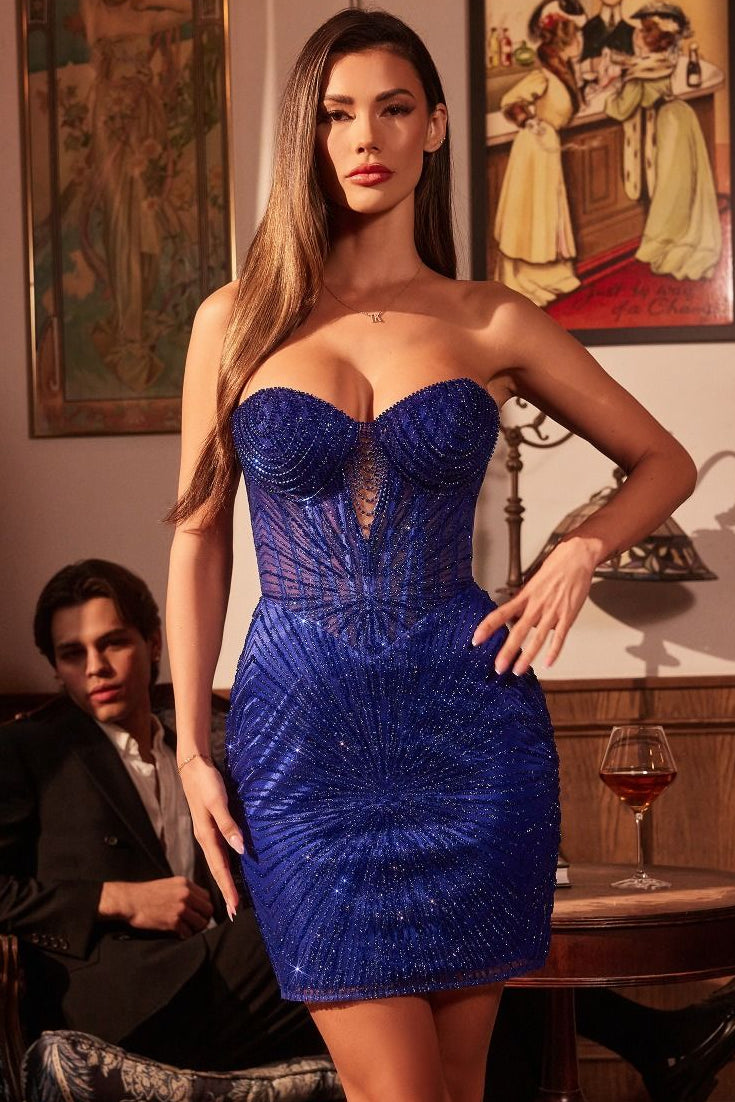
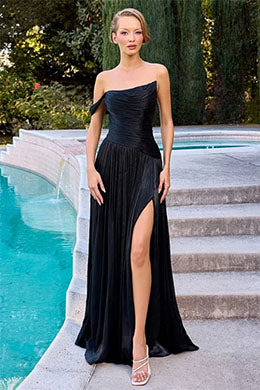
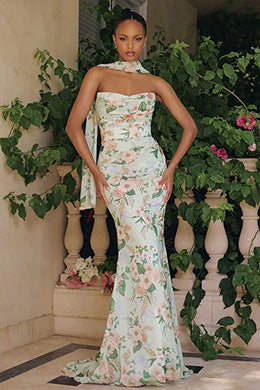
The dress itself also matters. A fitted satin gown may require a closer fit than a flowing A-line dress. Stretch fabrics offer more flexibility. Boning and fitted seams may limit how a garment accommodates body shape.
Ready-to-wear dresses follow established size ranges set by individual brands. Made-to-measure garments, on the other hand, are created using a customer's measurements. Neither approach guarantees a flawless fit without adjustments, particularly when dress length, torso proportions, or specific design details need attention.
A designer dress size chart helps you choose the right fit based on measurements, not size labels.
How to Read a Designer Dress Size Chart
A formal dress size chart typically lists bust, waist, and hip measurements alongside corresponding sizes. Before ordering, check whether the chart refers to body measurements or the finished garment.
- Bust: The circumference around the fullest part of your chest.
- Waist: The circumference around your natural waist.
- Hips: The circumference around the fullest part of your hips and seat.
Compare all three measurements with the brand's chart. A dress may fit well at the bust. It may feel restrictive at the hips if it has limited stretch.
If your measurements fall between sizes, consider the dress's construction and intended silhouette. A structured bodice may require a closer assessment than a flowing skirt. When the correct size is unclear, contact the retailer for product-specific guidance before placing your order.


How to Measure Yourself for a Dress Size Chart
Use a flexible measuring tape to get accurate measurements. A designer dress size chart helps you compare sizes across brands.
1. Measure Your Bust
Wrap the tape around the fullest part of your bust, keeping it level across your back. The tape should sit comfortably against your body without compressing it.
2. Measure Your Natural Waist
Find your natural waist, usually the narrowest part of your torso. Keep your posture relaxed and measure without sucking in your stomach.
3. Measure Your Hips
Place the tape around the fullest part of your hips and seat. Check that it remains parallel to the floor for an accurate reading.
4. Check Additional Measurements
Some designs require more than bust, waist, and hip measurements. Depending on the dress, you may need to check torso length, shoulder-to-waist length, or hollow-to-hem length.
For the most useful results, follow these tips:
- Wear lightweight clothing or fitted undergarments while measuring.
- Stand naturally instead of changing your posture to affect the numbers.
- Record measurements in the units requested by the designer.
- Take fresh measurements before ordering rather than relying on an old size record.
Knowing how to measure for a dress size chart gives you a dependable starting point. This helps when shopping across different brands.
How to Compare Designer Dress Sizing Differences
Once you have your measurements, compare each designer's official chart individually. Avoid assuming that two brands use the same measurements for equivalent numerical sizes.
The silhouette can help determine which areas need the closest attention:

Construction details matter, too. Zippers, boning, lining, and structured seams can influence how comfortably a dress fits. Even if a skirt offers room to move, the bodice may still require precise measurements.
A designer dress size chart helps you compare fit, fabric, and silhouette to choose the right size.
What If You Fall Between Sizes on a Formal Dress Size Chart?
Start by reviewing your bust, waist, and hip measurements together. Then consider which area requires the most precise fit based on the dress design.
A fitted gown may need closer attention at the hips. A structured strapless bodice requires a secure fit around the bust. Fabric stretch and seam locations also influence your options.
If you're unsure, ask the retailer or designer for advice. A professional tailor may be able to adjust certain areas. These possibilities depend on construction, fabric, and seam allowance.
Avoid automatically sizing up or down. The most suitable choice depends on the actual measurements and the dress you intend to wear.
Common Mistakes to Avoid When Choosing a Designer Dress Size
Avoid common mistakes when using a designer dress size chart to shop for formal dresses online.
- Choosing by your usual size alone: Your size may differ across designers.
- Using outdated measurements: Your current measurements provide a better reference.
- Measuring over bulky clothing: Extra fabric can affect your results.
- Confusing body and garment measurements: Check the chart's instructions carefully.
- Ignoring construction and fabric: A structured gown fits differently from a stretchy design.
- Skipping return and alteration policies: Understand your options before purchasing.
Taking a few minutes to review these details can help you avoid unnecessary exchanges and last-minute fitting issues.
Find Your Best Fit With the Right Designer Dress Size Chart
Choosing a formal dress starts with understanding the designer's sizing. Your usual size is a useful reference. Current measurements and the silhouette provide better guidance.
Before ordering, compare your bust, waist, and hip measurements with the correct chart for your chosen dress. Check additional length requirements, review the retailer's fit advice, and ask questions whenever the sizing information is unclear.
With the right preparation, you can shop with greater confidence. You will spend less time guessing between sizes.

Frequently Asked Questions
1. Why do designer dress sizes differ between brands?
Designers use different measurement specifications, patterns, and fit preferences. Fabric and construction also affect how a garment fits, so the same numerical size may feel different across brands.
2. Is a size 8 the same across all dress designers?
No. A size 8 from one designer may differ from another. Always consult the size chart for the specific dress you plan to order.
3. How do I know which dress size to order online?
Measure your bust, waist, and hips, then compare the results with the designer's official size chart. Review the product details and ask the retailer for guidance if the measurements or fit recommendations are unclear.
4. Should I size up or down for a formal dress?
Neither option is automatically correct. Consider your measurements, the dress's construction, and whether the fabric stretches. For structured gowns, ask the retailer which size is most appropriate for the particular design.
5. What if my bust, waist, and hip measurements fall into different sizes?
Look at the dress silhouette and identify which areas require the closest fit. A professional tailor may be able to adjust certain areas, depending on the garment's construction and available seam allowance.
6. How far in advance should I order a formal dress?
Order early enough to allow for shipping, trying on the dress, and any necessary alterations. For weddings, proms, and other events with fixed dates, allow additional time for delays and tailor availability.