
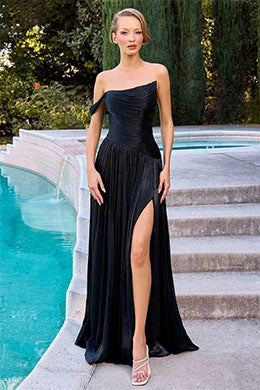
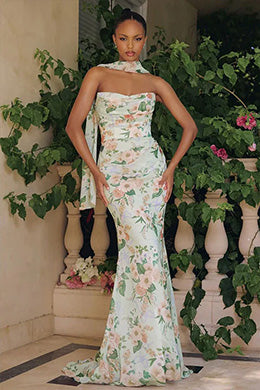
A beautiful dress deserves a beautiful fit. Whether you're preparing for prom, a wedding, a gala, or another special occasion, professional alterations can transform a gown from off-the-rack to perfectly tailored. While Lady Black Tie does not offer in-house alterations, our Dress Alterations Guide explains what to expect during the alteration process, when to schedule your fittings, common adjustments for formal dresses, and tips for achieving the best possible fit. From hemming and strap adjustments to bustle options and bodice tailoring, you'll find everything you need to prepare for your appointment with confidence.
Common Dress Alterations
Most formal dresses are designed with alterations in mind. While every gown is unique, these are some of the most common adjustments a professional seamstress can make to help achieve a beautiful, personalized fit.
1. Hemming
Hemming is one of the most common alterations for formal dresses. Your seamstress will adjust the length so your gown falls perfectly while wearing the shoes you plan to wear for your event. A properly hemmed dress not only looks more polished but also allows you to walk, dance, and move comfortably.
2. Taking In or Letting Out
If your dress feels slightly too loose or snug, the bodice, waist, hips, or skirt may be adjusted to create a more flattering silhouette. The amount a dress can be let out depends on the seam allowance built into the garment, while taking a dress in is often more straightforward.
3. Strap Adjustments
Straps that are too long or too short can affect both comfort and support. Adjusting the straps helps the bodice sit correctly, improves the neckline, and provides a more secure, flattering fit.
4. Bodice & Bust Adjustments
Many formal dresses benefit from minor bodice alterations. A seamstress can adjust the bust, reshape the bodice, add bra cups, or refine the fit through the upper body to provide additional comfort, support, and confidence.
5. Sleeve & Shoulder Alterations
Sleeves and shoulders can often be adjusted for improved comfort and mobility. Whether shortening straps, refining sleeves, or repositioning shoulder seams, these small changes can make a noticeable difference in the overall fit.
6. Zipper Repairs or Replacements
A damaged zipper doesn't necessarily mean your dress can't be worn. An experienced seamstress can often repair or replace a zipper, restoring both the appearance and function of your gown.
7. Bustling a Train
Wedding gowns and some formal dresses feature a train that can be lifted after the ceremony or photos. A bustle secures the train, making it easier to walk, dance, and enjoy your event while protecting the fabric from unnecessary wear.
8. Custom Alterations
Depending on the design of the dress, many seamstresses can also make custom modifications such as adjusting a leg slit, reshaping a neckline, shortening sleeves, adding bra cups, refining the fit of a lace-up back, or making other personalized changes. Your seamstress can discuss what is possible based on your gown's construction and fabric.
9. Alterations for Prom & Formal Dresses
Prom dresses and formal gowns often feature delicate fabrics, intricate beadwork, sequins, lace, or structured bodices that require specialized techniques. Working with a seamstress experienced in formalwear helps preserve these details while ensuring your dress fits beautifully. Proper alterations can improve comfort, enhance the silhouette, and help you feel confident throughout your special event.

Planning Ahead: When to Schedule Your Alterations
One of the most common mistakes people make is waiting too long to schedule alterations. Formalwear often requires multiple fittings, especially if the dress includes intricate beading, lace, corsetry, or delicate fabrics. Booking early gives your seamstress enough time to achieve the best possible fit and leaves room for any final adjustments before your event.
Prom Dress Alterations
Plan to schedule your first fitting 4–6 weeks before prom. If your dress features heavy embellishments, layered tulle, or significant structural changes, additional time may be needed for multiple fittings.
Wedding Dress Alterations
Bridal gowns typically require the most extensive tailoring. We recommend scheduling your first alteration appointment 3–6 months before your wedding, depending on the complexity of the gown and your seamstress's availability. Most wedding dresses require two to four fittings to achieve a flawless fit.
Bridesmaid & Formal Dress Alterations
For bridesmaid dresses, evening gowns, and wedding guest dresses, schedule alterations 3–6 weeks before your event. This allows time for hemming, adjusting straps, taking in the bodice, or making other fit refinements.
Cocktail Dresses & Everyday Alterations
Simple alterations, such as hemming or taking in a dress, are often completed within 1–2 weeks, but turnaround times vary depending on the season and your tailor's schedule. During prom and wedding season, alteration shops are often booked well in advance.
The earlier you schedule your appointment, the more flexibility you'll have and the less stressful the process will be.
How to Prepare for Your Alteration Appointment
Arriving prepared helps your seamstress achieve the most accurate fit and minimizes the need for additional appointments.
Bring the Shoes You'll Wear
Always bring the exact shoes you plan to wear for your event. Even a small difference in heel height can change how a dress hangs and where it should be hemmed.
Wear Your Event Undergarments
If you plan to wear shapewear, a strapless bra, adhesive cups, or other specialty undergarments, bring or wear them to your fitting. These can significantly affect how the dress fits through the bust, waist, and hips.
Bring Accessories if Needed
If your dress includes detachable straps, sleeves, overskirts, or other removable pieces, bring everything to your appointment. This ensures the gown is fitted exactly as you intend to wear it.
Share Your Vision
If you'd like to modify a neckline, reduce a leg slit, add bra cups, bustle a train, or make other custom changes, photos can help communicate your desired look.
Be Honest About Comfort
A beautiful dress should also be comfortable. Let your seamstress know if you need extra room for dancing, sitting, walking, or raising your arms comfortably throughout the event.
Choosing the Right Seamstress
Not every alteration shop specializes in formalwear. Evening gowns, bridal dresses, and heavily embellished designs require techniques that differ from everyday clothing alterations.
Look for a seamstress with experience working on:
- Wedding dresses
- Prom dresses
- Bridesmaid dresses
- Formal gowns
- Delicate fabrics like chiffon, satin, lace, tulle, organza, crepe, and mesh
- Hand-beaded and sequined garments
- Corset bodices and structured gowns
Reading reviews, viewing previous work, and asking questions during your consultation can help you choose someone who has experience with dresses similar to yours.
Common Alterations for Formal Dresses
Every dress is different, but some of the most common alterations include:
- Hemming the length
- Shortening straps
- Taking in or letting out the bodice (when possible)
- Adjusting the waist
- Adding bra cups
- Bustling a wedding gown train
- Closing or lowering a leg slit
- Adjusting sleeves or shoulder straps
- Repairing loose beading or embellishments
- Reshaping necklines
A skilled seamstress can recommend the alterations that will improve both the appearance and comfort of your dress.
Frequently Asked Questions
Does Lady Black Tie offer alterations?
No. Lady Black Tie does not offer in-house alterations. We recommend working with a trusted local seamstress or tailor who has experience altering formalwear, bridal gowns, and special occasion dresses. Because many formal dresses are designed to be tailored for the perfect fit, a professional seamstress can help with hemming, taking in the bodice, adjusting straps, adding bra cups, bustling a train, and other custom alterations to ensure your dress fits beautifully for your event.
How much do dress alterations cost?
Alteration costs vary depending on the dress, fabric, construction, and complexity of the work. Simple hems or strap adjustments are generally less expensive than extensive bodice reconstruction, lace modifications, or alterations involving heavy beadwork.
The best way to receive an accurate estimate is to schedule a consultation, where your seamstress can evaluate your dress and discuss the changes you'd like to make.
How many fittings will I need?
Most formal dresses require one to three fittings.
Simple alterations may only need one appointment, while wedding gowns and heavily structured dresses often require multiple fittings to achieve the perfect fit.
Can every dress be altered?
Many dresses can be tailored, but every gown has limitations. Factors such as seam allowance, fabric type, embellishments, and construction determine what changes are possible.
An experienced seamstress can explain which alterations are achievable and recommend the best options for your specific dress.
Can a dress be made larger?
Sometimes. Whether a dress can be let out depends on how much extra fabric is available inside the seams. Many formal gowns have limited seam allowance, so significant size increases may not be possible. Your seamstress can evaluate your gown during your consultation.
Should I buy the larger size if I'm between sizes?
In most cases, yes. Formal dresses are generally easier to tailor smaller than they are to make larger. We recommend selecting the size that best fits your largest measurement and having the dress professionally tailored for your body.
Why Professional Alterations Matter
A formal dress is designed to be tailored. Designer sizing is intended to fit a wide range of body types, and very few dresses fit perfectly straight off the rack.
Professional alterations refine the fit by adjusting the length, waist, bust, straps, and overall silhouette to complement your proportions. These small changes can dramatically improve how the dress looks, feels, and photographs.
A properly tailored gown allows you to move comfortably, dance with confidence, and enjoy your event without constantly adjusting your dress. Whether it's prom, a wedding, a gala, or another special occasion, professional alterations help transform a beautiful dress into one that feels made just for you.
Final Thoughts
The right alterations can make all the difference. Scheduling early, choosing an experienced formalwear seamstress, and arriving prepared for your fittings will help ensure your dress fits beautifully on your special day.
Remember that most formal gowns are designed with alterations in mind. With expert tailoring, your dress can be customized to flatter your shape, improve comfort, and help you feel confident from the moment you put it on.
